Understanding Fashion Trends in 2026
As we delve into the world of fashion in 2026, it’s evident that the landscape is morphing rapidly, intertwined with innovations, social movements, and evolving consumer preferences. Understanding contemporary fashion trends requires not only knowledge of current styles but an appreciation of the historical context and the cultural tapestry that informs them. This guide aims to unravel these complexities, highlighting key elements that define today’s fashion while preparing readers for tomorrow’s shifts.
What Defines Contemporary Fashion Trends?
Contemporary fashion trends are marked by a blend of classic appeal and modern innovation. Designers today balance revitalizing timeless classics with daring experiments that challenge the norm. For example, the recent resurgence of Y2K aesthetics blends nostalgia with modern silhouettes, captivating a younger audience. Another element driving these trends is the focus on inclusivity and body positivity, prompting brands to embrace diversity in models and styles that cater to all body types.
The Evolution of Personal Style: Historical Insights
The journey of personal style is fascinating, showcasing how societal shifts shape individual expression. Since the 1960s, fashion has evolved from rigid norms to a celebration of individuality. The 1980s brought bold colors and patterns, while the minimalist 90s laid the groundwork for streamlined aesthetics. Today, as we witness the return of eclectic layering and bold accessory choices, it’s clear that history plays a pivotal role in defining personal style movements.
How Cultural Influences Shape Modern Fashion
Cultural influences are integral to the evolution of modern fashion. Regions across the globe contribute unique motifs, textiles, and design philosophies that enrich the fashion landscape. For instance, African prints have gained global recognition, inspiring designers to incorporate them into high fashion. Similarly, sustainability movements, spearheaded by Indigenous communities, are influencing the use of eco-friendly materials and production methods, reshaping mainstream practices.
Essential Fashion Items for Your Wardrobe
Building a versatile wardrobe starts with understanding the essential items that form the backbone of personal style. A well-curated collection can streamline daily dressing and ensure you are prepared for any occasion. This section will discuss must-have pieces that should anchor every fashion-savvy individual’s wardrobe.
Must-Have Clothing Pieces for Every Season
- Classic White Shirt: A timeless staple that works for both casual and formal settings.
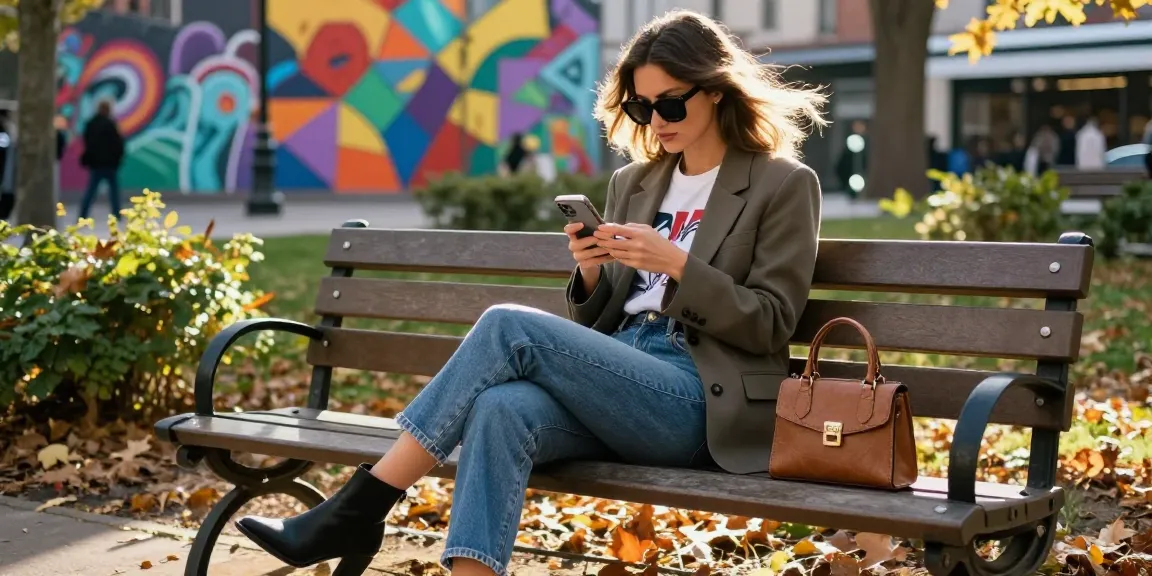
- Tailored Blazer: Elevates any outfit, adding structure and sophistication.
- Denim Jeans: Versatile enough for year-round wear, offering styles from skinny to wide-leg.
- Little Black Dress: The ultimate go-to for various events, adaptable through accessorization.
- Comfortable Sneakers: Combining style and practicality for everyday wear.
Accessorizing: Elevating Your Outfit with Style
Accessories are crucial for transforming any outfit from basic to stylish. A few key items can significantly elevate your look:
- Statement Jewelry: Bold necklaces or earrings can add personality to even the simplest outfit.
- Quality Handbag: A chic bag can tie your entire ensemble together, serving as both a functional and stylish item.
- Scarves: These versatile accessories can be worn in myriad ways, adding color and texture.
- Belts: A cinched waist can enhance the silhouette of dresses and oversized tops.
Sustainable Fashion: Eco-Friendly Choices
The rise of sustainable fashion has prompted consumers to rethink their purchasing decisions. Today’s shoppers are more conscious of the environmental impact of their choices, leading to a demand for transparency and ethical practices. Brands that incorporate recycled materials, fair labor practices, and minimal waste in their production processes are not only appealing to eco-conscious consumers but are also setting new industry standards.
Practical Tips for Building a Capsule Wardrobe
A capsule wardrobe simplifies daily dressing by providing a selection of essential, timeless pieces that can be mixed and matched effortlessly. Creating a capsule wardrobe involves several key strategies that can enhance your personal style while minimizing clutter.
Defining Your Personal Style: Key Components
To build a meaningful capsule wardrobe, begin by identifying your personal style. Consider factors such as your lifestyle, body shape, and favorite colors. Establish a palette that reflects your preferences, as cohesive colors make it easier to mix and match. Additionally, look to your favorite fashion icons or eras as inspiration for developing a signature look.
Mixing and Matching: Maximizing Your Wardrobe
One of the key benefits of a capsule wardrobe is its versatility. By selecting neutral items and a few standout pieces, you can create numerous outfits without overwhelming your closet. Invest in pieces that pair well together, allowing for numerous combinations. For example, a tailored blazer can work with jeans for a casual outing or paired with a midi skirt for a formal event.
Essential Colors and Patterns for 2026
As we move through 2026, certain colors and patterns are emerging as pivotal trends. Earthy tones, such as terracotta and olive green, are making waves alongside classic colors like navy and monochrome palettes. Patterns such as houndstooth and tie-dye are also reemerging, providing options for those looking to add texture and interest to their outfits.
Mastering Fashion Etiquette and Styling Techniques
Fashion is not just about what you wear but how you wear it. Understanding fashion etiquette and mastering styling techniques can empower you to dress confidently for any occasion. Here are some skills to cultivate as you refine your style.
Dressing for Different Occasions: From Casual to Formal
Every dressing scenario requires a different approach. Casual attire may allow for relaxed fabrics and fits, while formal wear requires a more polished appearance. Understanding the dress code of events, such as semi-formal, business casual, or black-tie, can guide your choices. Aim for a balance between comfort and style, ensuring confidence in your attire.
Understanding Fit and Tailoring: A Guide
Fit is paramount in defining how an outfit looks on you. Consider engaging a tailor to adjust pieces to better fit your frame. Well-fitted clothing enhances your silhouette and boosts confidence. Pay attention to areas like shoulders, waist, and length, as these elements can make or break an outfit.
Layering Techniques: Creating Depth in Outfits
Layering adds depth and interest to any look. Begin with a base layer, such as a fitted top or turtleneck, and build upon it with various lengths and textures. Play with proportions; for example, combine a long cardigan with structured pants. Layering can also be functional, allowing for adjustments based on temperature changes throughout the day.
The Future of Fashion: Predictions and Trends
As we look forward, the future of fashion holds exciting possibilities driven by technology and changing consumer behaviors. This section will explore emerging trends that are set to shape the fashion landscape in the coming years.
Technology and Fashion: The Rise of Smart Clothing
The integration of technology into fashion is creating a revolution in how we interact with clothing. Smart textiles equipped with sensors can monitor health metrics, adapting to environmental conditions. This trend not only enhances functionality but can also redefine comfort in everyday wear. Expect to see further innovations in this realm, combining fashion with advanced technology.
Social Media’s Role in Fashion Trends
Social media continues to play a pivotal role in shaping fashion trends. Platforms like Instagram and TikTok serve as launchpads for emerging designers and grassroots trends. Influencers and fashion enthusiasts can quickly disseminate styles and ideas, democratizing fashion and allowing for rapid trend cycles. Therefore, staying engaged with digital platforms is crucial for anyone looking to stay ahead in the fashion game.
Emerging Fashion Designers to Watch in 2026
The new generation of fashion designers is pushing boundaries and reimagining the industry. Designers like Peter Do and Telfar Clemens are gaining recognition for their innovative approaches and inclusive philosophies. Their work reflects a shift toward more thoughtful and diverse representations in fashion, which sets the stage for future industry developments.
What are the current fashion trends for 2026?
The current landscape is buzzing with vibrant colors, sustainable practices, and a focus on individuality. Expect to see a blend of nostalgic references with futuristic elements, as the industry balances innovation and classic influences.
How can I build a sustainable wardrobe?
Building a sustainable wardrobe involves choosing brands that prioritize ethical practices, opting for quality over quantity, and incorporating vintage pieces into your collection. Sustainability is now a vital aspect of fashion, aligning consumer values with environmental responsibility.
What is a capsule wardrobe?
A capsule wardrobe is a curated collection of essential clothing items designed to be mixed and matched. Focused on simplicity and versatility, a capsule wardrobe typically includes about 30-40 pieces, making it easier to create outfits without overwhelming choices.
How do I dress for different occasions?
Dressing for different occasions requires an understanding of the dress code and context. Casual events allow for relaxed attire, while formal events necessitate polished looks. Always consider the setting and plan your outfit accordingly, balancing style with appropriateness.
Who are the key influencers in the fashion industry?
Key influencers in fashion include designers, celebrities, and social media personalities who shape trends and consumer behavior. Figures like Kim Kardashian and Gigi Hadid often lead the way with their style choices, making their impact felt across the industry.